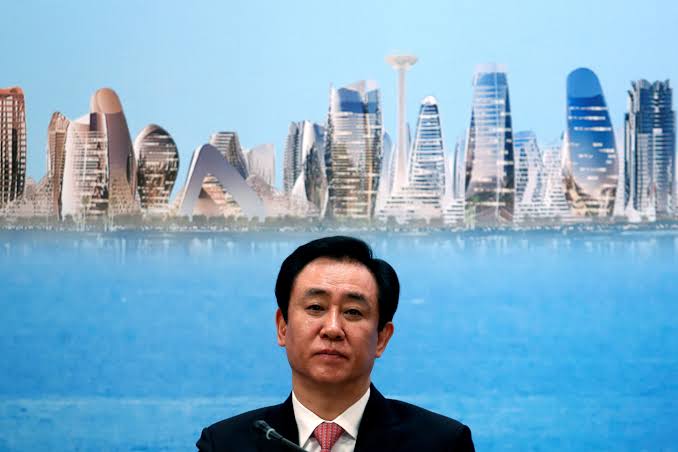
The founder of Chinese property giant Evergrande, Hui Ka Yan, has been sentenced to life imprisonment by a court in Shenzhen over a series of financial crimes linked to the collapse of the heavily indebted developer.
Hui, once one of China’s richest men, pleaded guilty in April to eight charges, including misuse of funds, fundraising fraud, illegally taking public deposits, fraudulent securities issuance and bribery.
The Shenzhen Intermediate People's Court also ordered the confiscation of all his personal property. Evergrande was fined 8.82 billion yuan ($1.31 billion), while its main subsidiary, Hengda Real Estate, was fined 7 billion yuan. Five other senior executives received prison sentences ranging from six to 18 years.
The court found that financial statements had been manipulated between 2016 and 2021 to inflate the company's assets and conceal liabilities. Evergrande was once China's leading property developer but defaulted on most of its roughly $300 billion in liabilities in 2021, helping trigger a prolonged crisis in the country's property sector.
Hui's dramatic fall marks the end of the rise of a businessman who became one of China's most prominent property tycoons during the country's real-estate boom. At its height, Evergrande expanded aggressively into areas including electric vehicles and football before its debt-fuelled business model unravelled.
The life sentence is unlikely to immediately resolve the financial problems facing Evergrande's creditors, many of whom have spent years trying to recover funds following the company's collapse.