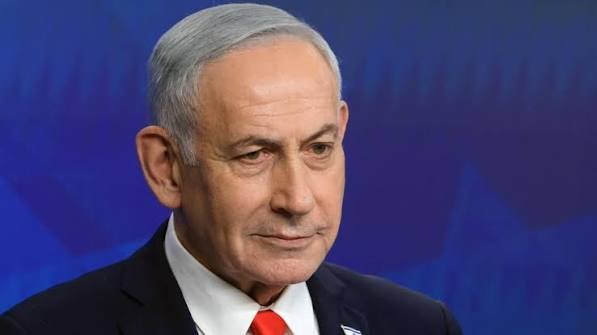
Israeli Prime Minister Benjamin Netanyahu is facing mounting political pressure as a proposed U.S.-Iran peace agreement threatens to undermine the strategic and political gains he hoped to secure from months of conflict with Tehran. Analysts say the emerging deal could become one of the most challenging moments of Netanyahu's political career ahead of Israel's upcoming elections.
The agreement, reportedly brokered by the United States, focuses on a ceasefire, the reopening of critical shipping routes in the Strait of Hormuz, and a framework for future negotiations. However, it does not appear to include several of Israel's longstanding objectives, including regime change in Iran, the dismantling of its missile programme, or a complete end to Tehran's nuclear ambitions.
The prospect of sanctions relief for Iran has generated sharp criticism within Israel. Opposition figures and some members of Netanyahu's political camp argue that the deal could provide Tehran with economic breathing space while leaving much of its military and nuclear infrastructure intact.
Former Israeli Prime Minister Yair Lapid has accused Netanyahu of failing to deliver on the goals that justified the war, while commentators in Israeli media have described the emerging agreement as a diplomatic setback. Critics contend that Israel has been sidelined in negotiations that will significantly affect its security environment.
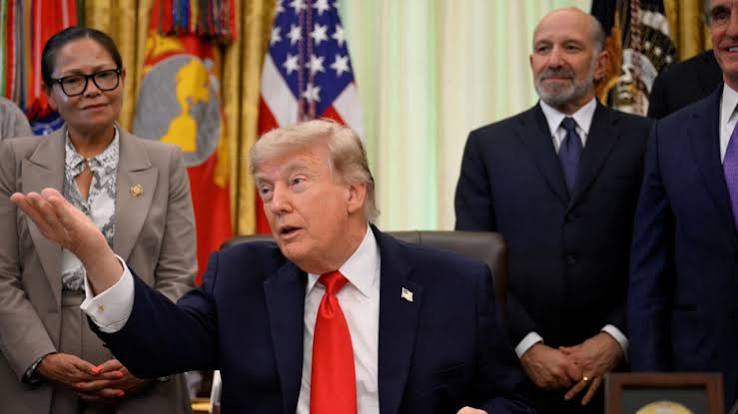
Compounding Netanyahu's difficulties are reports of growing policy differences between him and U.S. President Donald Trump over how to handle Iran and regional security issues. While Netanyahu has publicly defended cooperation with Washington, he has acknowledged disagreements over the direction of diplomacy with Tehran.
Despite the criticism, Netanyahu maintains that military operations against Iran significantly weakened the country's leadership and security apparatus and insists that Israel remains committed to preventing Iran from acquiring nuclear weapons. Nevertheless, political observers say the final shape of any agreement could have far-reaching consequences for his government and his standing with Israeli voters.