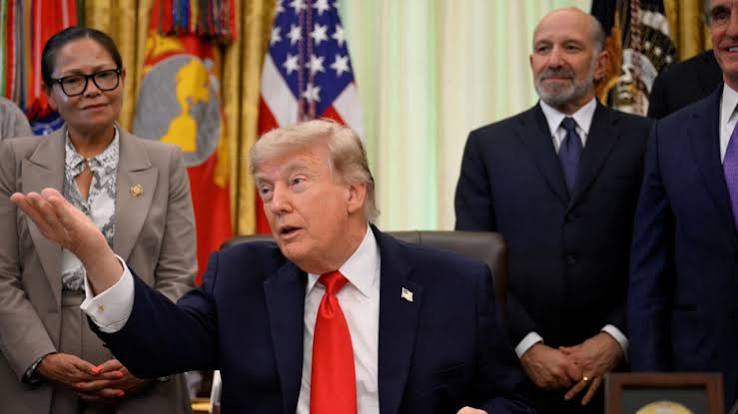
U.S. President Donald Trump has claimed that a deal to end the prolonged conflict between the United States and Iran is close to being finalised, raising hopes of a diplomatic breakthrough that could bring stability to the Middle East and ease pressure on global energy markets.
Trump said negotiations had made significant progress and suggested that a formal agreement could be signed as early as this weekend. The proposed deal is expected to include measures aimed at ending hostilities, reopening the strategic Strait of Hormuz and creating a framework for further talks on Iran's nuclear programme.
However, Iranian authorities have pushed back against the U.S. President's optimism, insisting that no final agreement has been reached. Tehran said discussions remain ongoing and that several key issues are still under review, including sanctions relief, access to frozen Iranian assets and other national security concerns.
Iranian Foreign Ministry officials stressed that while negotiations have narrowed differences between both sides, any agreement must align with the country's strategic interests and receive final approval from its leadership. They maintained that reports suggesting a completed deal were premature.
The latest developments come after months of military confrontation that disrupted shipping routes through the Strait of Hormuz, sent global oil prices soaring and heightened fears of a wider regional conflict. Although diplomatic momentum has improved, clashes and tensions continue to persist in parts of the region.
Trump has presented the potential agreement as a major diplomatic achievement, arguing that it would prevent further escalation and secure commitments aimed at limiting Iran's nuclear ambitions. Nevertheless, analysts caution that significant hurdles remain before a formal accord can be concluded.
Financial markets reacted positively to reports of progress in the talks, with oil prices falling on expectations that a reopening of the Strait of Hormuz could restore stability to global energy supplies. Investors, however, remain cautious amid conflicting signals from Washington and Tehran.
As negotiations continue, international observers are watching closely to see whether the latest round of diplomacy can produce a lasting settlement or whether the remaining disagreements will delay an end to one of the region's most consequential conflicts.